
Philippine Inflation Surge 2026
𝗣𝗛𝗜𝗟𝗜𝗣𝗣𝗜𝗡𝗘 𝗜𝗡𝗙𝗟𝗔𝗧𝗜𝗢𝗡 𝗦𝗨𝗥𝗚𝗘 𝟮𝟬𝟮𝟲
By: Samuel O. Lao, REB
How Rising Prices Are Reshaping the Economy, Household Budgets, and Real Estate Investments
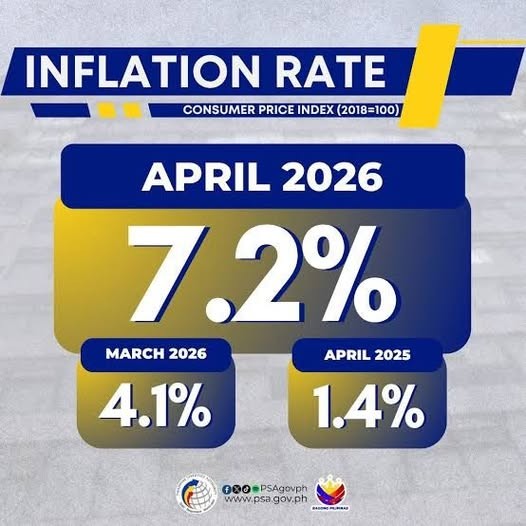
The recent surge of Philippine inflation to 7.2% in April 2026 has become one of the biggest economic concerns affecting Filipino families, businesses, investors, and the real estate sector.
According to the Philippine Statistics Authority (PSA), inflation accelerated sharply from the previous month’s 4.1%, reflecting increasing pressure on transportation, food, utilities, and other daily necessities.
This sudden price increase is now reshaping consumer behavior, reducing purchasing power, and influencing investment decisions nationwide.
What Triggered the Inflation Spike?
Economic analysts point to several major domestic and global factors contributing to the inflation surge:
1. Global Oil Crisis
Rising geopolitical tensions in the Middle East significantly affected global oil supply chains. As fuel prices increased worldwide, transport inflation in the Philippines climbed to 21.4%, pushing diesel and gasoline prices higher.
This directly impacts:
Public transportation fares
Logistics and delivery costs
Construction materials transportation
Overall business operating expenses
2. Rice and Food Supply Pressures
Agricultural disruptions and supply chain inefficiencies drove the domestic rice index to 13.7%.
Since rice remains a daily staple for most Filipino households, the impact is immediate and widespread:
Higher grocery expenses
Increased food costs for restaurants and businesses
Greater financial pressure on low-income families
3. Utility and Housing Cost Adjustments
Electricity, water, housing, and gas costs rose to 8.2% as energy providers adjusted generation charges and operating expenses.
This affects:
Household monthly expenses
Condominium and rental operations
Commercial building operational costs
Construction and development expenses
The Real Impact on Filipino Families
The rapid inflation surge weakens the Philippine peso's purchasing power.
With consumer prices rising aggressively month-on-month, families now experience:
Reduced disposable income
Smaller savings capacity
Higher transportation and food expenses
Increased loan and financing pressure
The lower-income sector is hit hardest. Inflation for the bottom 30% income households reportedly reached 8.5%, mainly due to their dependence on food staples and daily transportation.
For many Filipinos, the same amount of money today buys fewer goods and services than it did in previous months.
Inflation and the Philippine Real Estate Market
Inflation creates both opportunities and risks in real estate.
 Potential Advantages of Real Estate During Inflation
1. Real Estate as an Inflation Hedge
Historically, real estate is considered one of the stronger asset classes during inflationary periods because property values and rental rates often rise over time.
Physical assets such as:
Residential properties
Commercial spaces
Warehouses
Agricultural land
may appreciate as construction costs and replacement values increase.
2. Rising Rental Income Potential
As inflation increases operational and construction costs, rental rates may gradually rise, helping landlords maintain income levels.
Properties with strong demand in strategic locations may continue to generate cash flow despite inflationary pressures.
3. Land Scarcity and Capital Appreciation
Prime properties in strategic urban corridors often maintain long-term value due to limited land supply and ongoing infrastructure development.
This is especially relevant in growth areas with:
Infrastructure expansion
Industrial growth
Tourism activity
Commercial development
 Risks and Challenges in Real Estate During High Inflation
1. Higher Interest Rates
The Bangko Sentral ng Pilipinas (BSP) is expected to maintain a tighter monetary policy to control inflation.
This may lead to:
Higher bank loan interest rates
Increased monthly amortizations
Stricter lending requirements
Reduced borrowing capacity
2. Rising Construction Costs
Inflation directly affects:
Cement
Steel
Fuel
Labor
Imported materials
Developers and builders may experience shrinking profit margins or project delays due to rising expenses.
3. Slower Consumer Spending
As household budgets tighten, some buyers may postpone property purchases, especially in the middle-income and affordable housing segments.
This can temporarily affect:
Property absorption rates
Reservation sales
Market liquidity
Strategic Financial Moves During Inflation
In periods of economic uncertainty, financial discipline becomes critical.
Consider the Following:
Review and optimize household budgets
Prioritize emergency liquidity
Reduce unnecessary debt exposure
Study fixed vs. variable loan rates carefully
Diversify investments responsibly
Focus on income-generating assets
Monitor BSP interest rate movements closely
For investors, inflation highlights the importance of proper due diligence, strategic asset allocation, and long-term planning.
Final Reflection
Inflation is more than just rising prices—it is a direct test of financial preparedness, discipline, and long-term strategy.
Economic cycles will always change, but informed decision-making can help individuals and businesses protect their purchasing power and position themselves for future opportunities.
In uncertain times, financial education, wise investments, proper cash flow management, and strategic planning become more important than ever.
Sources
Philippine Statistics Authority (PSA)
Bangko Sentral ng Pilipinas (BSP)
Trading Economics – Philippines Inflation Data
Disclaimer
This article is for informational and educational purposes only and should not be interpreted as financial, investment, legal, or economic advice. Market conditions, inflation rates, and monetary policies may change without prior notice. Readers are encouraged to consult licensed financial advisors, bankers, accountants, or real estate professionals before making major financial or investment decisions.